Maintaining the performance of your helical gearbox is essential for maximizing its service life and ensuring efficient operation, especially in harsh industrial environments. Regular maintenance is crucial to prevent unexpected failures and costly downtime, particularly in applications where continuous operation is essential. At BAFFERO, we understand the importance of keeping helical gearmotors running smoothly and offer practical design tips and maintenance advice to help you achieve long-term reliability. This guide will provide you with a comprehensive maintenance checklist to extend the lifespan of your gearmotor and reduce the risks associated with harsh industrial conditions.
Why Maintenance Matters Even for High-Quality Helical Gearmotors
Even the most reliable helical gearmotors require regular maintenance to perform optimally. Neglecting maintenance can lead to premature failure, increased downtime, and higher operational costs. The importance of proper maintenance cannot be overstated, especially when operating in challenging environments.
Cost of Downtime in Industrial Settings
In industrial environments, downtime can be extremely costly. If a helical gearmotor fails unexpectedly, it can halt production, disrupt workflows, and lead to expensive repairs. The cost of downtime includes not only the lost production time but also the cost of labor, replacement parts, and the potential damage to other components in the system. By performing regular maintenance, you can identify and address potential issues before they lead to significant downtime, ultimately saving your business money in the long run.
Specific Risks in Harsh Environments
Harsh industrial environments, such as those in mining, metallurgy, and material handling, often expose helical gearmotors to dust, moisture, excessive load, and vibrations. These environmental factors can accelerate wear and tear on the gearmotor, leading to reduced efficiency and performance. Proper maintenance ensures that the gearmotor is protected against these elements and that any early signs of wear are addressed before they cause system failure.
Daily and Weekly Inspection Tasks for Helical Gearboxes
Performing daily and weekly inspections is a critical part of the maintenance process. These routine checks allow you to catch small issues before they become larger, more expensive problems.
External Visual Check
Start with a visual inspection of the helical gearmotor. Check for any visible damage to the gearbox housing, including cracks, leaks, or signs of corrosion. Ensure that all bolts are tightened properly, as loose bolts can lead to misalignment and additional stress on the gears. Additionally, check for oil leaks or any signs of fluid seepage. Leaking oil not only reduces lubrication efficiency but also increases the risk of component damage due to inadequate cooling and lubrication.
Operational Check
Next, perform an operational check to ensure that the helical gearmotor is running smoothly. Listen for any unusual noises, such as grinding or whining, which could indicate worn gears or insufficient lubrication. Excessive vibration can also signal issues with alignment or imbalance, which can cause premature wear. Check the operating temperature of the motor and gearbox to ensure it remains within the manufacturer’s recommended range. Overheating can be a sign of friction or insufficient lubrication, both of which can lead to damage if not addressed promptly.
Lubrication, Oil Level, and Condition Management
Lubrication is one of the most important aspects of maintaining a helical gearmotor. Proper lubrication minimizes friction, reduces wear, and helps dissipate heat, all of which contribute to extending the life of the gearmotor.
Importance of Correct Lubricant Type & Viscosity
Selecting the correct type and viscosity of lubricant is essential for optimal performance. The lubricant should match the specifications outlined by the manufacturer, taking into account factors like temperature range, load capacity, and environmental conditions. Using the wrong lubricant or one with incorrect viscosity can lead to increased friction, overheating, and accelerated wear on the gears.
Monitoring Oil Analysis, Change Intervals
Regularly monitor the condition of the lubricant by checking its color, consistency, and contamination levels. Oil analysis can help identify issues like metal contamination, oxidation, or moisture, which could indicate wear or other problems. Follow the manufacturer’s recommended oil change intervals to ensure that the lubricant remains effective and that contaminants are removed before they cause damage.
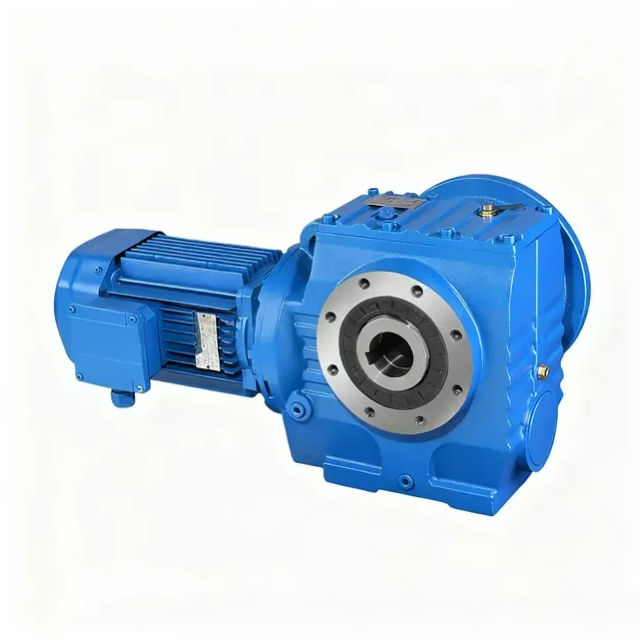
Alignment, Mounting Condition & Mechanical Integrity
Ensuring that the helical gearmotor is properly aligned and mounted is crucial for maintaining performance and preventing unnecessary wear.
Ensuring Mounting Bolts Tight, Alignment Correct, No Excessive Axial Thrust
Check that all mounting bolts are tight and secure to prevent misalignment, which can cause excessive wear on the gears and bearings. Proper alignment ensures that the gearmotor runs smoothly and evenly, reducing stress on the system. Additionally, check for axial thrust, which occurs when the motor experiences forces pushing along its axis. Excessive axial thrust can damage the bearings and cause premature failure, so it is important to address this issue early on.
Bearing Health and Gear Tooth Condition
Inspect the bearings for any signs of wear, overheating, or misalignment. Worn or damaged bearings can lead to improper gear engagement, noise, and vibration. Similarly, check the condition of the gear teeth for signs of pitting, cracking, or excessive wear. Worn gears will not mesh properly, reducing the efficiency of the gearmotor and leading to higher energy consumption and potential failure.
Dealing with Environmental Challenges and Harsh Usage
Environmental factors such as contamination, heavy loads, and shocks can significantly impact the performance of a helical gearmotor. It’s essential to take measures to mitigate these challenges and select the right components for demanding environments.
Contaminants, Heavy Loads, Shocks — Mitigation Strategies
Contaminants like dust, dirt, and chemicals can enter the gearmotor and cause abrasive wear on the gears and bearings. To mitigate this, ensure that the gearmotor is properly sealed and protected from external contaminants. In heavy-load applications, make sure the gearmotor is rated to handle the required torque and power. Similarly, if the gearmotor is subject to shocks or sudden impacts, consider using shock-absorbing mounts or dampers to protect the internal components.
Selecting Appropriate Version/Modules
For environments with extreme conditions, BAFFERO offers helical gearmotors designed with heavy-duty cast iron housings and hardened gears, which provide increased durability and load capacity. The modular design allows for easy customization to meet specific environmental or operational requirements, ensuring that the gearmotor can withstand the demands of your application.
Long-Term Service Life Enhancements and Upgrades
Planning for long-term service life enhancements and potential upgrades can help you maximize the return on your helical gearmotor investment. Regularly monitoring the condition of the gearmotor and implementing necessary upgrades will ensure that it continues to perform optimally over time.
Scheduled Major Overhauls, Condition Monitoring
Regular overhauls are necessary to address any wear or degradation that may not be visible during routine inspections. Scheduled maintenance and condition monitoring help identify issues before they become serious problems. Implementing a proactive maintenance plan ensures that the gearmotor remains reliable and continues to perform at its best.
Upgrading to Modular Systems, Retrofits, Service Support
Consider upgrading your helical gearmotor to a modular system for greater flexibility and performance. BAFFERO offers modular designs that can be easily adapted or upgraded to meet changing operational requirements. Additionally, retrofitting older gearmotors with newer components or features can improve efficiency and extend their lifespan.
Conclusion
Maintaining your helical gearbox is crucial to ensuring its long-term performance and reliability, especially in harsh industrial environments. By following a comprehensive maintenance checklist and addressing potential issues early on, you can minimize downtime, reduce maintenance costs, and extend the life of your gearmotor. BAFFERO’s helical gearmotors are designed for durability and performance, offering modular solutions that can be tailored to your specific needs.
Contact us today to learn how we can help you create a tailored maintenance plan for your helical gearmotor and keep your operations running smoothly.
FAQs
Q1: How often should I perform maintenance on my helical gearmotor?
A: Regular inspections should be done daily or weekly, depending on the operational intensity. Lubrication and oil checks should be performed according to the manufacturer's recommended intervals.
Q2: What are the signs that my helical gearmotor needs maintenance?
A: Common signs include unusual noise, vibrations, overheating, leaks, and misalignment. If you notice any of these, it’s time for an inspection.
Q3: Can I extend the service life of my helical gearmotor?
A: Yes, by following a proper maintenance schedule, using the right lubricant, and ensuring correct alignment and mounting, you can significantly extend the life of your gearmotor.
Q4: How can I ensure my helical gearmotor can handle harsh environments?
A: Choosing a heavy-duty version, like BAFFERO’s cast iron housing models, and taking measures to protect the motor from contaminants and extreme temperatures can help improve durability in harsh conditions.


